
Why Am I Reacting to Everything? Making Sense of Food and Supplement Sensitivities
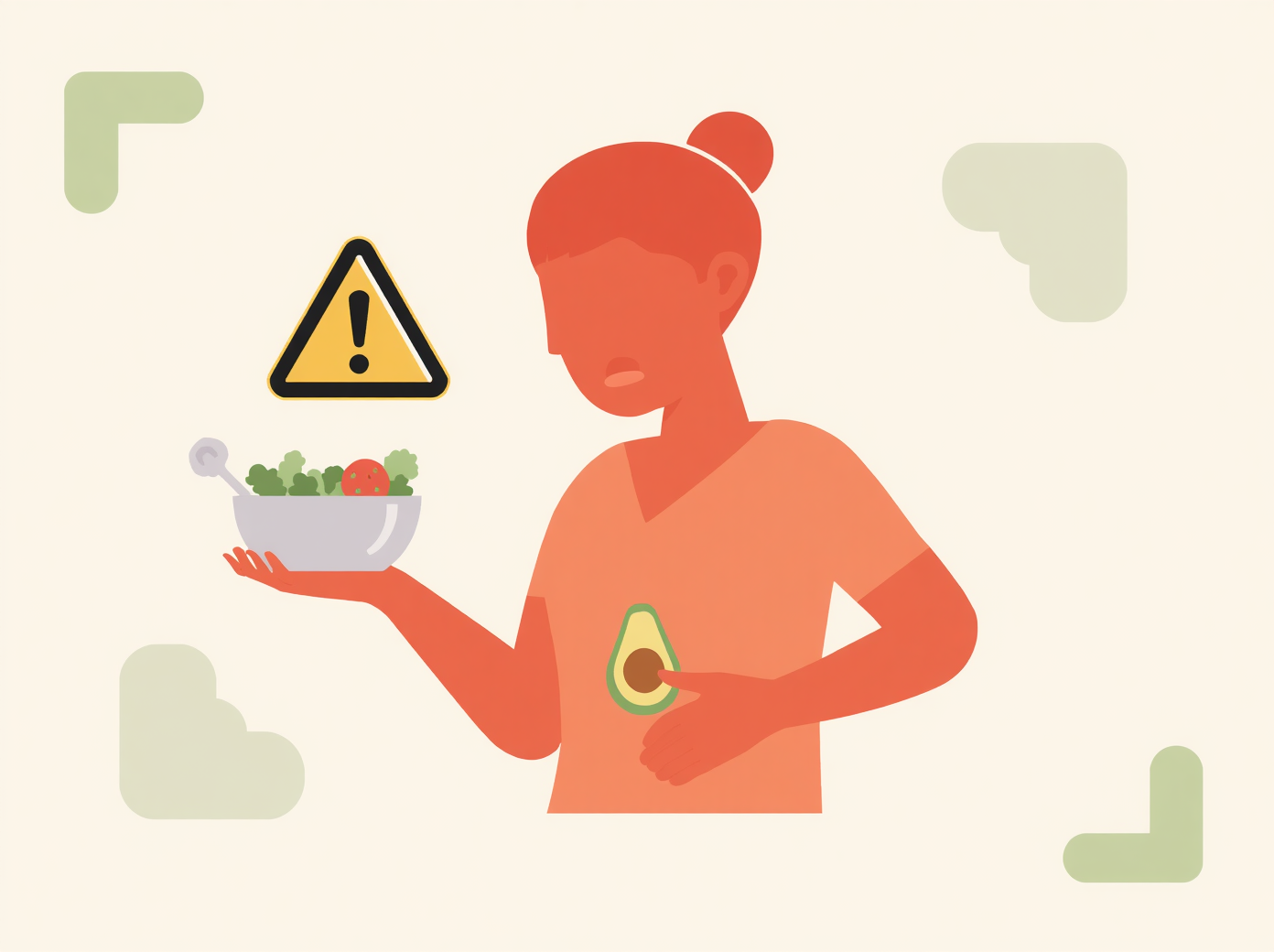
If your list of “safe” foods keeps shrinking, if you seem to react to supplements that help everyone else, and if you’ve started to feel anxious about eating at all, you are not imagining it, and you are not alone. “I feel like I react to everything” is one of the most common things people say to me, often with a mix of frustration and quiet worry that no one quite believes them.
This article is about what is actually going on when the body becomes broadly reactive, why piling on more restriction usually makes things worse, and what a more constructive path looks like.
What “reacting to everything” actually looks like
The pattern is fairly recognisable. It often includes some combination of:
A list of trigger foods that keeps growing over time
Reacting not just to foods, but to supplements, medications, or even smells
Symptoms that are wide-ranging and inconsistent: digestive upset, headaches, flushing, fatigue, brain fog, racing heart, poor sleep, anxiety
Reactions that don’t follow clear rules, so the same thing is tolerated one day and not the next
Being told that allergy tests and standard investigations are “normal,” despite clearly not feeling normal
If that sounds familiar, the most useful reframe is this: a broadly reactive body is usually telling you something about an underlying state, not about each individual food.
It’s not “all in your head”
This needs saying plainly, because so many people in this situation have been made to feel they are exaggerating. Reactions to food and supplements are real, physiological events, even when standard allergy testing comes back clear.
The reason tests often look “normal” is that classic allergy testing looks for one specific mechanism: IgE-mediated allergy, and most of what drives this kind of widespread reactivity works through different mechanisms entirely. The test isn’t wrong; it’s simply answering a narrower question than the one you’re living with.
Why does it happen?
There is rarely a single cause. More often, several factors stack up until the body’s tolerance is worn thin. These are the drivers I most commonly look at.
Histamine overload
When the body’s histamine load outpaces its ability to clear it, foods that are perfectly fine for others can provoke symptoms, and because so many foods contain or release histamine, it can feel like reacting to “everything.” This is one of the most common pieces of the puzzle. (I’ve written a full explanation of histamine intolerance and why you might react to healthy foods.)
Gut health
The gut is central to tolerance. When the gut lining and microbial balance are disrupted: through dysbiosis, overgrowth, or inflammation, the body becomes more reactive to things passing through it, and its capacity to break down compounds in food drops. This is often where the trail leads, which is also why gut testing can sometimes help build the picture.
Food chemical sensitivities
Beyond histamine, some people react to naturally occurring food chemicals such as salicylates, amines, or oxalates. These are found across many otherwise healthy foods, which again can create the sense of reacting to almost anything.
A sensitised nervous system
This one is important and often missed, and it is not the same as saying symptoms are imagined. The nervous system can become up-regulated after illness, prolonged stress, or a long period of feeling unwell, so that it responds more readily and more strongly to ordinary triggers. Think of it as a smoke alarm that has been set too sensitively: the alarm is real, but it’s firing at things that aren’t truly dangerous. This is a recognised physiological process, and it is part of why fear and reactivity can feed each other.
Why supplements specifically?
People are often puzzled that they react to supplements meant to help. Sometimes it’s the active ingredient, but frequently it’s the fillers, binders, or coatings, or simply that a sensitised, depleted system reacts to almost any new input. It rarely means you can’t tolerate anything; it usually means the approach and the timing need to be gentler.
Why more restriction usually backfires
When everything seems to cause a reaction, the instinct is completely understandable: cut more out. But this is the trap I most want to help people avoid.
A shrinking diet has real costs. Nutritionally, it narrows the nutrients and the fibre diversity your gut depends on, which can worsen the very gut issues driving the reactivity. Just as importantly, the more the list of “dangerous” foods grows, the more the nervous system learns to brace against food, which can heighten sensitivity further. Restriction can feel like control, but past a certain point it tends to make the underlying problem larger, not smaller.
The goal is not to find the one safe diet. It is to widen tolerance by addressing what narrowed it.
A more constructive way forward
The approach that tends to actually help is slower and, on the surface, less dramatic, but it works with the body rather than against it. Broadly, it involves:
Looking for the drivers rather than chasing individual foods, particularly gut health, histamine, and the state of the nervous system.
Calming reactivity first, so the system isn’t braced and inflamed, before asking it to tolerate more.
Simplifying, not endlessly subtracting, a steadier, adequate way of eating is more settling than a constantly changing list of restrictions.
Reintroducing slowly and methodically, so tolerance can be rebuilt with evidence rather than fear, and so genuine triggers are distinguished from coincidences.
Being cautious and gradual with supplements, introducing one thing at a time and at a gentle pace, rather than several at once.
It is rarely fast, and it isn’t a single protocol, which is exactly the point. A reactive body responds to patience and precision, not to pressure.
When to seek medical input
Some situations call for medical assessment rather than dietary management. Please seek appropriate medical care if you experience any signs of a true allergic reaction: such as swelling of the lips, mouth, or throat, or difficulty breathing, and speak with your doctor if reactions are severe, escalating, or accompanied by significant or unintentional weight loss. Widespread reactivity can also overlap with conditions such as mast cell activation disorders, which need proper medical investigation. Good care here is collaborative, and knowing when something sits outside nutrition is part of it.
You don’t have to keep guessing
If you recognise yourself in this: a narrowing diet, a growing list of reactions, and the sense that no one has put the whole picture together, there is usually a more hopeful explanation than “my body is broken.” A broadly reactive system is a system asking for the right kind of support, not more restriction.
That careful, whole-picture investigation is the heart of what I do. If you’d like help making sense of what’s driving your reactions, you’re welcome to book a consultation or get in touch with any questions first.
Sophie Thelosen is a Clinical Nutritionist registered with the Australian Traditional Medicine Society (ATMS), practising within the integrative team at Mosman Integrative Medicine alongside Dr Mark Donohoe and Dr Isobel Marr. She works with people experiencing gut issues, food and supplement sensitivities, histamine intolerance, and chronic fatigue, in person in Sydney and via telehealth across Australia.
This article is general information and is not a substitute for individualised advice. If you have ongoing or severe symptoms, please consult an appropriate health professional.