
POTS and Dysautonomia: How Nutrition Can Support You Alongside Medical Care
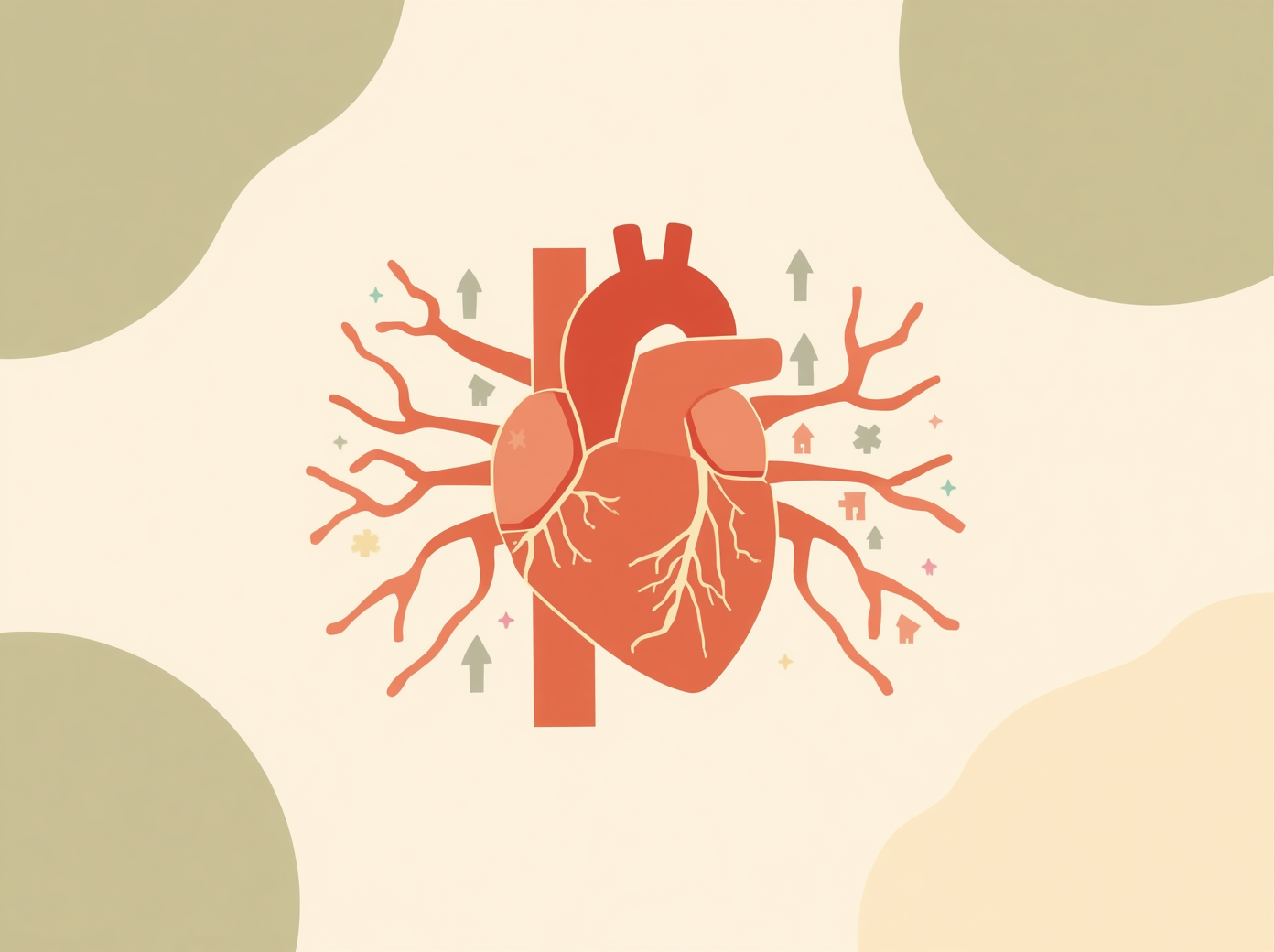
A racing or pounding heart whenever you stand up. Lightheadedness, or the sense you might faint. Exhaustion that floors you, brain fog, and a body that seems to react to heat, meals, and standing still in ways that are hard to explain. If this is your daily experience, you may be dealing with POTS or another form of dysautonomia, and, like many people, you may have spent a long time being told nothing was wrong.
This article explains what POTS and dysautonomia are, why they so often travel with other conditions, where medical care has to lead, and the genuine supporting role that nutrition can play.
What are POTS and dysautonomia?
Dysautonomia is an umbrella term for dysfunction of the autonomic nervous system, the part of your nervous system that runs the things you don’t consciously control, such as heart rate, blood pressure, digestion, and temperature regulation.
POTS (Postural Orthostatic Tachycardia Syndrome) is one specific form. In simple terms, it’s a condition where your heart rate rises excessively when you move from lying or sitting to standing, along with a cluster of other symptoms. Normally your body adjusts smoothly to gravity when you stand; in POTS, that automatic adjustment doesn’t work properly, and the body compensates with a racing heart.
Crucially, POTS is a medical diagnosis. It’s confirmed through specific assessment of how your heart rate and blood pressure respond to standing, carried out by a doctor. If you suspect it, that medical assessment is the essential first step.
The symptoms
POTS and dysautonomia can produce a wide and sometimes bewildering range of symptoms, including:
A racing or pounding heart on standing
Lightheadedness, dizziness, or feeling faint (and sometimes actually fainting)
Profound fatigue and poor exercise tolerance
Brain fog and difficulty concentrating
Nausea and other digestive symptoms
Shakiness, palpitations, or feeling “wired but tired”
Symptoms that worsen in heat, in the mornings, after meals, or after standing for a while
Because these symptoms are so varied and overlap with many other things, dysautonomia is frequently missed or misattributed, which is part of why getting a proper diagnosis matters so much.
It often travels with other conditions
One of the most important things to understand about dysautonomia is that it rarely appears in isolation. It commonly overlaps with several conditions I see often, and recognising these connections is part of putting the whole picture together:
Post-viral illness and Long COVID, dysautonomia is one of the more common features of post-viral syndromes, which is why this article and my piece on post-viral fatigue and Long COVID sit closely together.
ME/CFS, the fatigue and exertion intolerance frequently coexist.
Joint hypermobility, there’s a recognised association worth being aware of.
Mast cell and histamine-related issues, these overlap notably, and where they’re part of the picture, my article on histamine intolerance may be relevant.
Digestive symptoms, because the autonomic nervous system also governs gut motility, gut complaints are extremely common.
Seeing these links is often what helps a scattered, dismissed set of symptoms finally make sense as a connected whole.
Where medical care has to lead
I want to be very clear about this, because it’s a question of safety and good practice. The foundations of dysautonomia management are medical, and they sit with your doctor and specialist team. That includes:
Diagnosis and ongoing monitoring
Guidance on fluid and salt intake, often part of management, but it must be individualised and medically directed, because it isn’t appropriate for everyone
Compression garments
Any medications
Structured, appropriately designed exercise or rehabilitation programs, which for dysautonomia need to be specific and professionally guided
Nutrition works alongside these foundations to support you, it doesn’t replace them. With that firmly in place, here’s where it can genuinely help.
How nutrition can support you
Used as part of a medically-led plan, nutrition can ease some of the daily burden and support your body’s stability. The areas that tend to matter most:
Meal size and timing. Large meals, particularly heavy, refined-carbohydrate ones, draw blood towards the gut for digestion, which can worsen lightheadedness and fatigue afterwards. Smaller, more frequent meals often help reduce these post-meal dips.
Steady blood sugar. Keeping energy intake stable through the day helps avoid the crashes that compound dizziness and fatigue.
Supporting your fluid and electrolyte plan. Where your doctor has advised increasing fluids and salt, I can help you put that into practice in a workable, sustainable way, with attention to electrolyte balance.
Addressing nutrient gaps. Deficiencies such as low iron can worsen symptoms like fatigue and palpitations, so these are worth assessing properly rather than assuming.
Gut support, given how often digestive symptoms travel alongside dysautonomia.
Managing histamine load, where mast cell or histamine issues are part of your picture.
Reviewing caffeine and alcohol, both of which can aggravate symptoms for some people.
Underpinning all of it is making sure you’re eating enough, since undereating tends to make orthostatic symptoms worse, not adding restriction to an already difficult situation.
What nutrition can’t do
Nutrition is a meaningful support, but it is not a cure for POTS or dysautonomia, and it isn’t a substitute for medical care. Be cautious of anyone suggesting a diet alone can resolve these conditions. The most realistic and helpful framing is that nutrition is one supportive layer within a broader, medically-led plan, and a layer that can make a real difference to how you feel day to day.
When to see your doctor
If you experience fainting, near-fainting, chest pain, or a persistently racing heart, these need medical assessment, and if you haven’t yet had your symptoms properly investigated, that’s the place to start, both to confirm what’s going on and to exclude other causes. Diagnosis and the core of management belong with your medical team. Good care here is genuinely collaborative, which is exactly why I work as part of one.
A supportive way forward
Living with POTS or dysautonomia is demanding, and you shouldn’t have to navigate it without support. Alongside the medical care that leads the way, a thoughtful, individualised nutrition approach, one that respects your energy and works with your symptoms rather than against them, can help steady the ground under you.
That kind of careful, whole-person support, working alongside the doctors at the clinic, is central to how I practise. If you’d like help building a realistic plan that fits your situation, you’re welcome to book a consultation or get in touch with any questions first.
Sophie Thelosen is a Clinical Nutritionist registered with the Australian Traditional Medicine Society (ATMS), practising within the integrative team at Mosman Integrative Medicine alongside Dr Mark Donohoe and Dr Isobel Marr. She works with people experiencing gut issues, food and supplement sensitivities, histamine intolerance, and chronic fatigue, including post-viral illness and related conditions, in person in Sydney and via telehealth across Australia.
This article is general information and is not a substitute for individualised or medical advice. POTS and dysautonomia require medical diagnosis and management; please consult your doctor.